HomeIndeex Blog: AI and IoT in F&B IndustryNewsYou May Be Improving the Wrong Machine: A Practical Guide to Bottleneck Management

You May Be Improving the Wrong Machine: A Practical Guide to Bottleneck Management

PART 6 • INDEEX PRODUCTION SERIES

You May Be Improving the Wrong Machine: A Practical Guide to Bottleneck Management

Part 6 of the Indeex series — Improving Production Lines, Step by Step


OPERATIONAL EXCELLENCE

Identifying Your True Production Bottleneck


Last month we looked at changeovers and how their setup times can quietly drain overall equipment effectiveness. But fixing local speed is only valuable if that station is your active constraint.

Unlocking real factory capacity requires a precise diagnostic approach. Without analyzing real-time line flow data, optimization efforts are just guesswork. Ask yourself: which step is actually limiting you this week?

Systemic Bottlenecks

The Constraint Is Often Not on the Line


While manufacturing floor optimizations traditionally focus on mechanical packaging line speeds, true facility throughput is governed by upstream processing constraints. Overlooking these systemic realities limits the ROI of downstream investments.

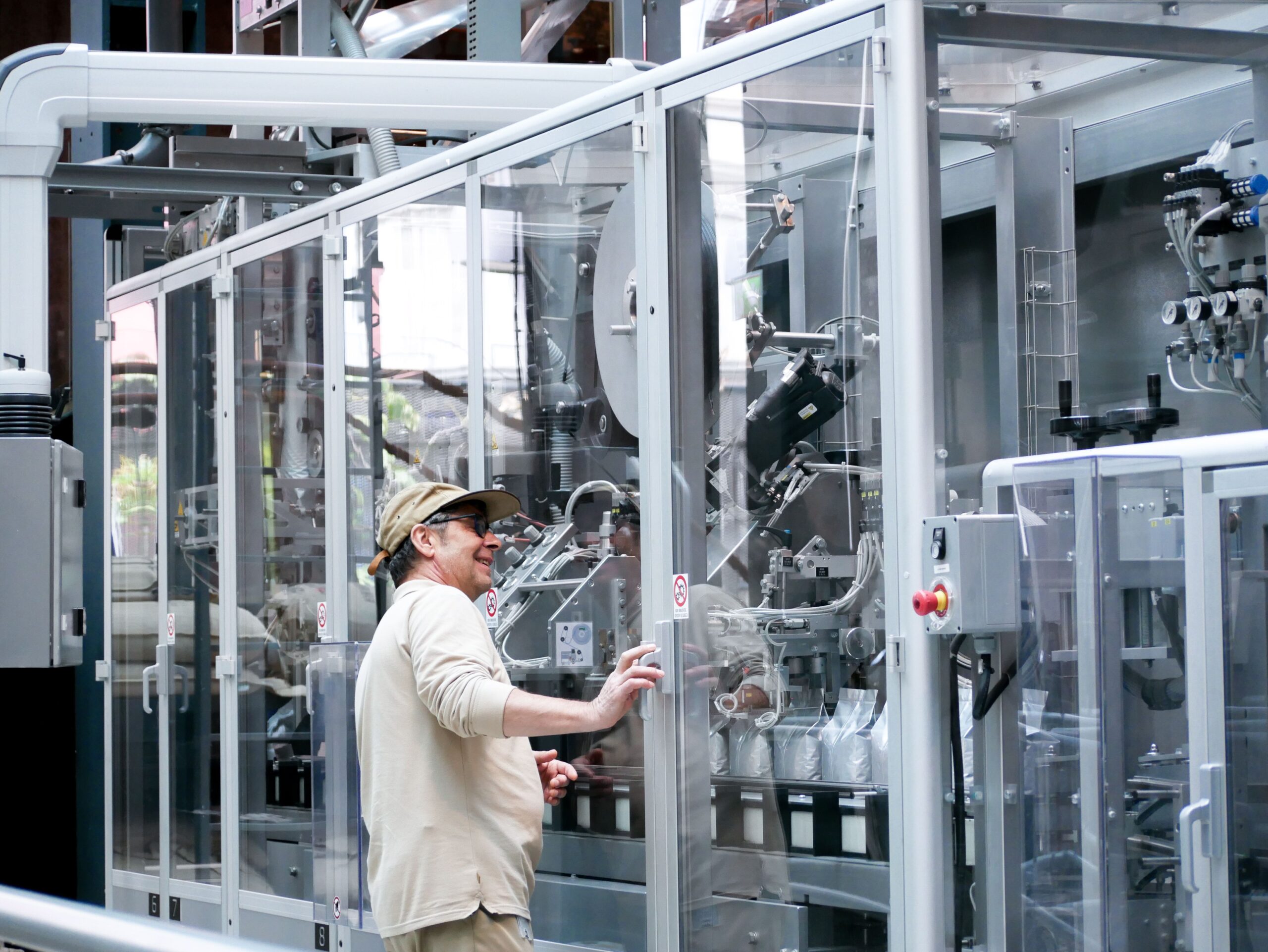
In process-driven environments, operations are inherently bound by biochemical timescales. No amount of packaging line acceleration can offset a deficit in raw fermentation capacity; if cellar storage is full, the line simply runs dry. To circumvent this, facilities must prioritize maximizing tank turns—the velocity at which vessels are charged, emptied, and sanitized for the next batch. The critical path to achieving high tank turns frequently runs straight through the CIP window. Cleaning-In-Place schedules must be dynamically synchronized with product changeovers, transforming mandatory maintenance periods into strategic production advantages rather than operational bottlenecks.

What Typically Goes Wrong


Relying on gut feel and legacy operational habits directly impacts your bottom line. Without structural, real-time baseline metrics, manufacturing improvements target symptoms rather than the actual structural constraints.

FROM DATA TO ACTION

What Good Looks Like

A highly disciplined methodology to eliminate process bottlenecks, optimize operational efficiency, and align system performance directly to your bottom line.


01. Find the real constraint

Locate the single point in your operational workflow that restricts overall output. Every complex system has exactly one true bottleneck at any given moment—optimizing non-bottlenecks creates local efficiencies but fails to improve systemic throughput.

02. Get everything out of it

Exploit the constraint using your existing resources. Eliminate scheduled down-time, ensure strict quality control happens prior to the bottleneck step, and design operational schedules so the constraint runs continuously without administrative or logical interruptions.

03. Make everything else serve it

Subordinate all non-constraints to the needs of the bottleneck. Align material flow, work-in-progress inventory, and upstream scheduling so that they release items only at the rate the constraint can process them, preventing costly gluts and overhead.

04. Add capacity

Elevate the constraint by dedicating target capital expenditure or staffing increases to this specific node. Adding equipment, optimizing mechanical throughput, or expanding shifts at this juncture guarantees direct improvement in overall system capacity.

05. Check again

Once a constraint has been elevated and successfully broken, immediately re-map and re-measure your operations. The constraint has migrated elsewhere. Do not allow operational inertia to become the bottleneck; restart the cycle.

ENGINEERING INTELLIGENCE

Where Indeex Fits & What You Can Expect

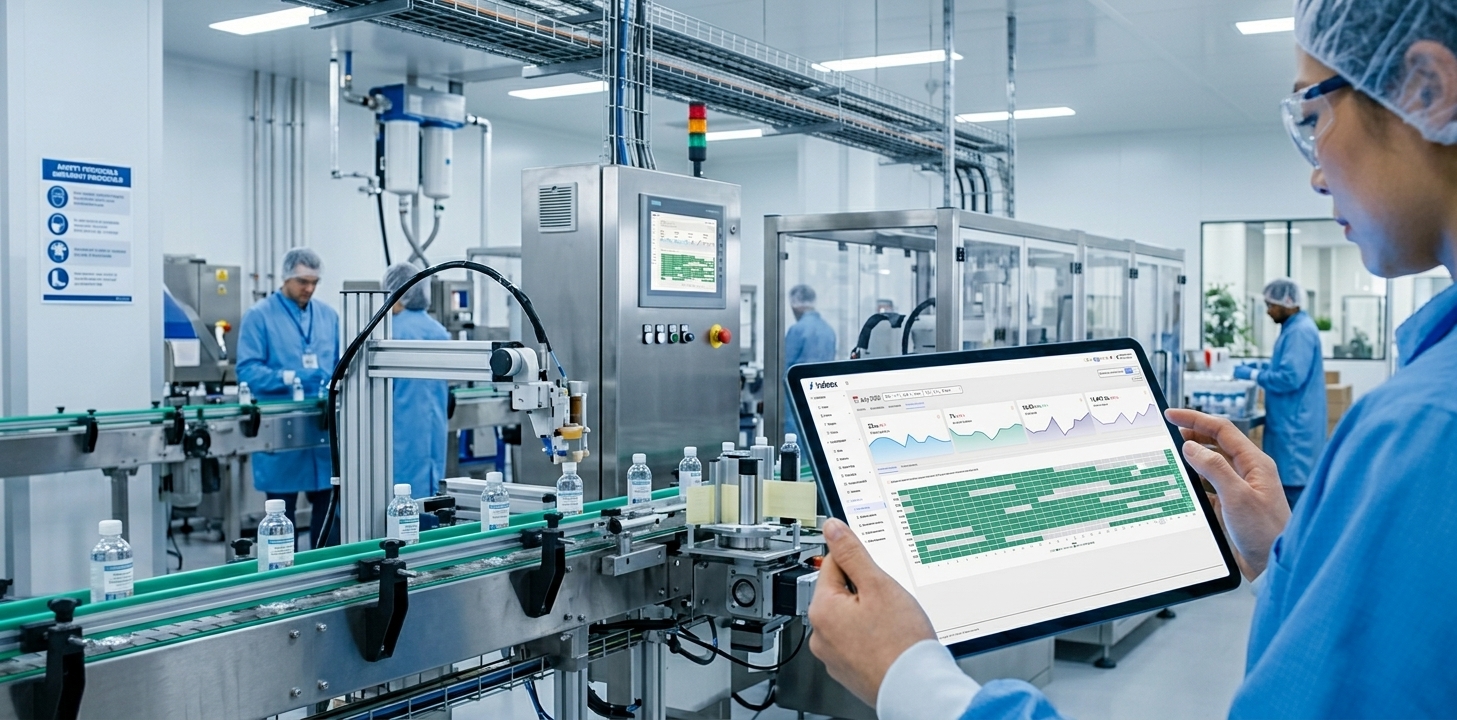
Most manufacturing systems rely on manual input or static scheduled runtimes. Indeex fundamentally changes this: we measure every machine continuously and detect your line constraint automatically, providing real-time shop floor clarity.

Where Indeex Fits

Integrating directly with your edge devices, PLCs, and active monitoring software, Indeex fits seamlessly into your current OT stack. By capturing high-frequency cycle variations on all machines, we reveal hidden capacity and pinpoint the exact source of micro-stoppages.

What You Can Expect

Expect instant visual validation of your bottleneck, data-driven cycle analysis, and real-time alerts when the bottleneck shifts. No more guessing where to spend maintenance dollars—Indeex provides clear direction to optimize throughput instantly.
“Improving a machine is satisfying and easy to report. Improving the right machine is what moves the number at the end of the line.”


Next Step

Book a short demo here

References & Methodology

1. Goldratt, E. M. (1984). The Goal: A Process of Ongoing Improvement. North River Press. | 2. Indeex Global Industrial Intelligence Benchmark Study (2024). Data-driven bottleneck identification metrics. | 3. Overall Equipment Effectiveness (OEE) optimization via automated production line analysis models.

Leave a Reply

Your email address will not be published. Required fields are marked *